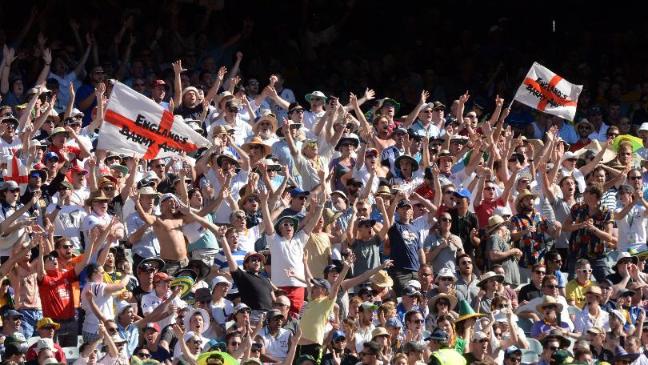


Documentaries are about bringing a true event and the story around it in the words of those who have witnessed it. That is a broad enough definition and on such a definition, usually a documentary is not consumed. The just released docuseries- “The greatest rivalry-India vs Pakistan” has left us in the lurch of what could have been an intense experience of witnessing the emotions and an exploration of the feelings or impact of those feelings. The feeling was akin to an India Pakistan match drawn by rain- all the emotions and nerves going down the drain.
Growing up as an Indian Punjabi migrant who is overtly patriotic and even more when it is against Pakistan, the docuseries does not capture well the emotion behind it. The story is not about the hospitality that Indians and Pakistanis display for each other. The story should rather have been that despite the hospitality, how intense is the rivalry. Unfortunately, this theme did not reflect well enough throughout the series. If you remember watching the Indian tour of Pakistan 2004 live, (which was incidentally called the “Friendship Series”), there was a very famous ad campaign shot by Pepsi around the series. In one of those ads, Ganguly is directing Md. Kaif and Zaheer Khan to pick and place the Friendship series board and Kaif hammers down the bottle of Pepsi that displaces the “Friendship” from the board. You feel like wanting to repeat the hammering down gesture quite a few times while watching the docuseries.
In fact, the most interesting bit that was more intriguing was the story of the Reverse-swing and its impact in the world of cricket. Ironically, as a fan of the greatest rivalry, I was bowled on a “reverse swing” delivered by the docuseries, which was somehow mixed with a “slower-one”, and I just wished I could have read it from a distance to respect it with a quintessential “leave”.
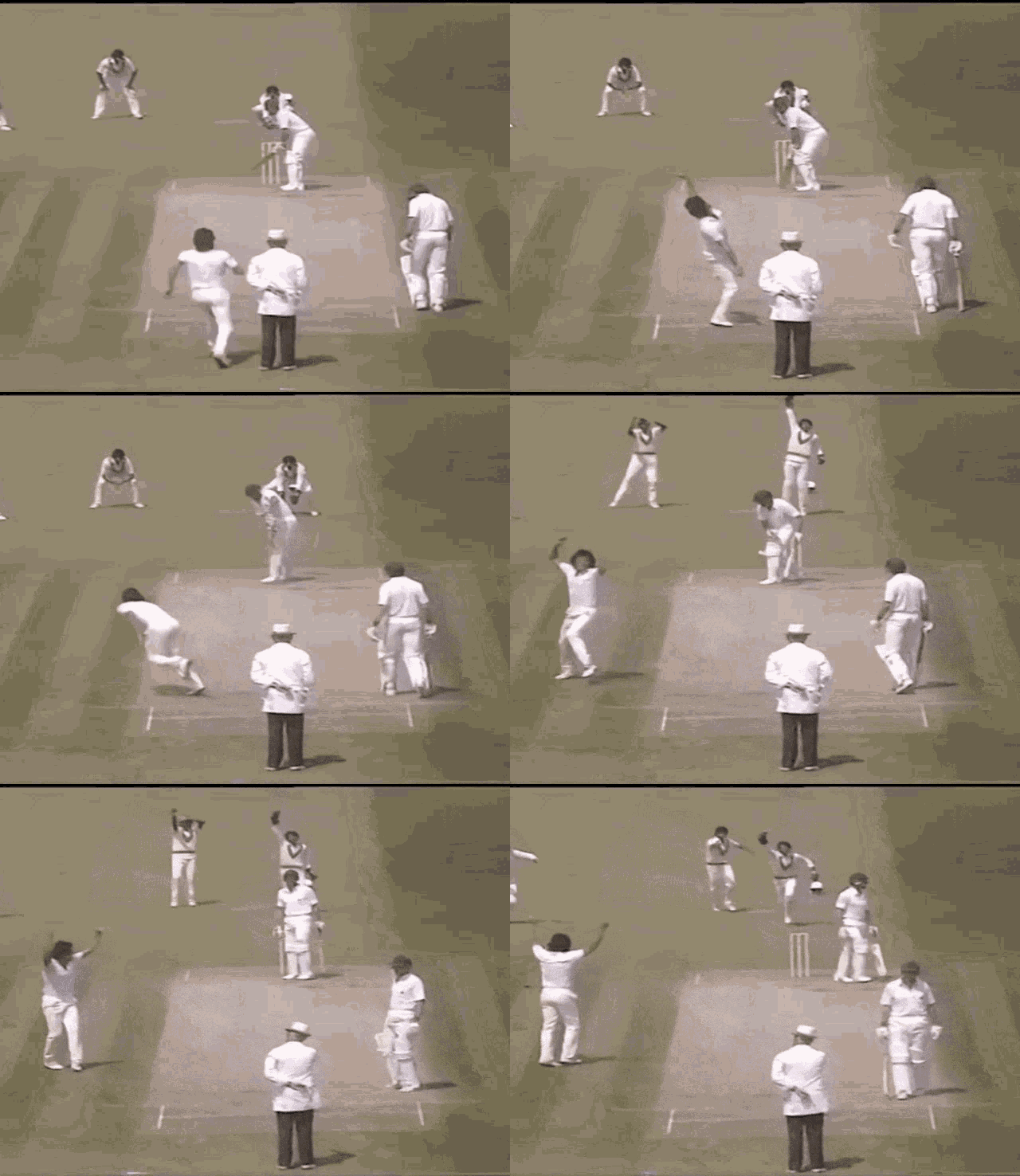
Unfortunately, the magnitude of the rivalry could not be justified completely. Neither from the Indian nor the Pakistani side in terms of politics, economics, engagement when it comes to the greatest rivalry of the sporting history. Ashes was mentioned, but there was no clear representation as to how and when the Ashes were a thing of the past and this rivalry especially with humongous diaspora and no love lost between the sparring nuclear nations could succeed to a houseful match anywhere in the world. The toss of an India and Pakistan match alongwith the pitch report and the opening remarks of ex-cricketers has more content than the documentary itself.

If the mission of this docuseries is to give a primer to the neutral viewers across the world who are oblivious to the world of cricket and what goes on in making a rivalry, then some better context is required in terms of explaining the scale with comparisons to perhaps a political Greece-Turkey, Serbia-Bosnia, Armenia-Azarbaijaan, Iran-Iraq examples. Some outside context of either the politics or the “arch” in the arch rivalry needs further elaboration. Otherwise, it feels like a stereotype to anybody who watches the series about the sport or its greatest rivalry. They would end up thinking this rivalry is about an Indian batsman crowned as the Sultan of Multan and a particular fast Pakistani bowler Shoiab Akhtar who got the batting greats like Sachin Tendulkar and Rahul Dravid out at the Eden Gardens in his debut test series.

The documentary should have called itself “The last tours of India Pakistan” or “Sehwag and Akhtar – The greatest modern day rivalry” (It was not even that much of an individual rivalry comparable to Sachin and Shane Warne or Sachin and Mcgrath but nevertheless). It was refreshing to have the perspective of Inzamam ul haq and Miandad. However, there was an overall lack of energy. There seemed a sort of haste to get the docuseries out which left more to the imagination than what the viewer should have actually witnessed. Exactly, like this review.






















































 Ballwinder